

Agricultural and Agro-industrial Potential in the Corridor
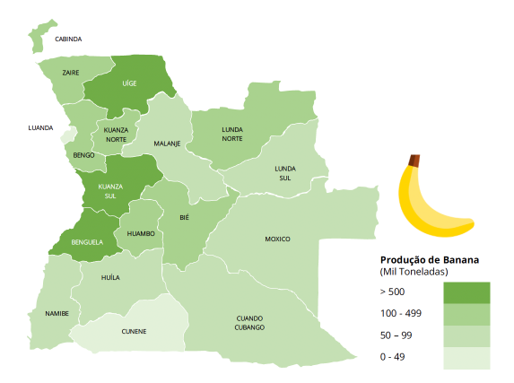
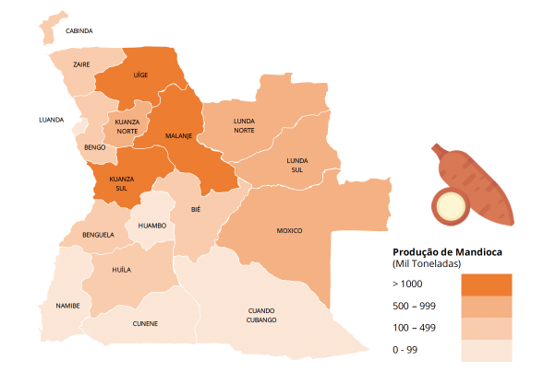
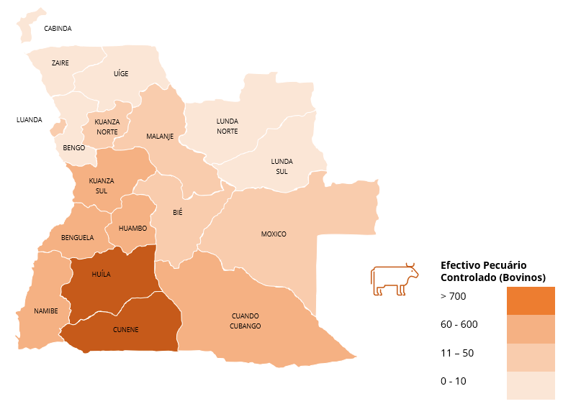
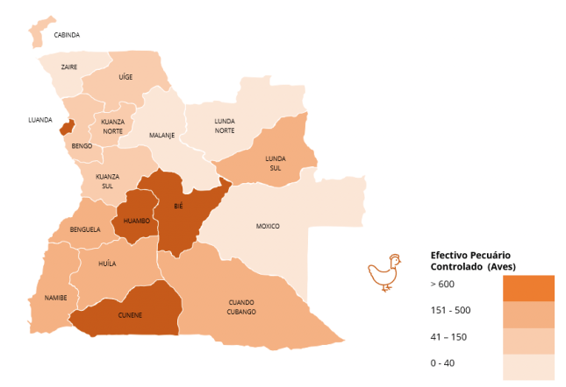
In Benguela, the warm and relatively dry coastal climate, combined with wetter interior areas and sandy and sandy-loam soils, favours high-yield irrigated crops. The province is particularly suited to fruit cultivation, with bananas (already established in exports), mangoes, papayas, citrus fruits and pineapples benefiting from the higher-humidity inland areas. Irrigated vegetables such as tomatoes, onions and potatoes also find good conditions. In more inland areas, light soils allow the expansion of cassava and sweet potato. Livestock is mainly based on poultry, semi-intensive goat and pig farming, with cattle growing in areas with better pastureland.
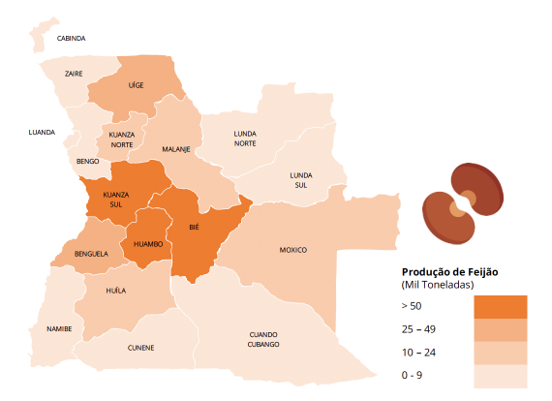
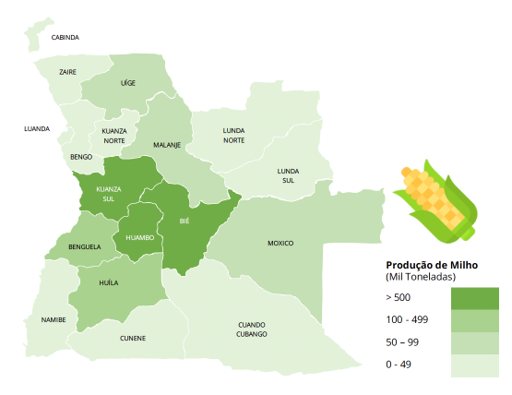
The high altitude, significant rainfall and fertile soils give Huambo some of the best agricultural conditions in Angola. The temperate tropical climate favours maize, soya and beans on a large scale, as well as potatoes and cool-climate vegetables such as cabbage, carrots and lettuce. Certain areas also support altitude fruit trees such as avocados, apples and pears, which are beginning to form market niches. The province also has strong livestock potential, particularly for poultry, pigs and goats in mixed farming systems.
Bié has a humid tropical climate and clay-sandy soils with high agricultural potential, along with vast still underutilised areas. These conditions make the province ideal for extensive crops such as maize and sorghum, as well as oilseeds such as soya and sunflower. Beans, peanuts, cassava and potatoes also find excellent conditions, allowing diversified production systems oriented towards consumption and agro-industry. The province also has favourable conditions for cattle and poultry farming, supported by extensive areas of natural pastureland.
Moxico and Eastern Moxico stand out for the greatest availability of arable land in the corridor, high rainfall and extensive plains with fertile floodplains. They are one of the best environments in the country for lowland rice, as well as offering very favourable conditions for maize, soya, beans and peanuts. The combination of deep soils, abundant water and proximity to Zambia and DRC markets also supports vegetables oriented towards cross-border supply. The provinces have strong potential for extensive cattle farming, as well as small and medium-scale goat, pig and poultry farming.
7º
world's largest banana producer
13%
increase in avocado production over the last 5 years


Main Agricultural Resources of the Lobito Corridor
Why invest in Angola
Angola brings together a set of natural, geographical and energy conditions that position it as one of the agricultural economies with the greatest potential in Africa. The combination of vast natural resources, availability of arable land, abundance of water and an energy context dominated by renewable sources creates a highly competitive environment for agricultural, agro-industrial and agro-logistics investment.
The country benefits from a strategic location in the South Atlantic, functioning as a link between Southern Africa, South America and Asian markets. This position reinforces its role as a logistics corridor between the interior of the continent and global maritime routes, being particularly relevant for export operations linked to the Lobito Corridor. The proximity to dynamic regional markets such as DRC, Zambia, Namibia and Botswana further increases its attractiveness for investors focused on regional and continental value chains.
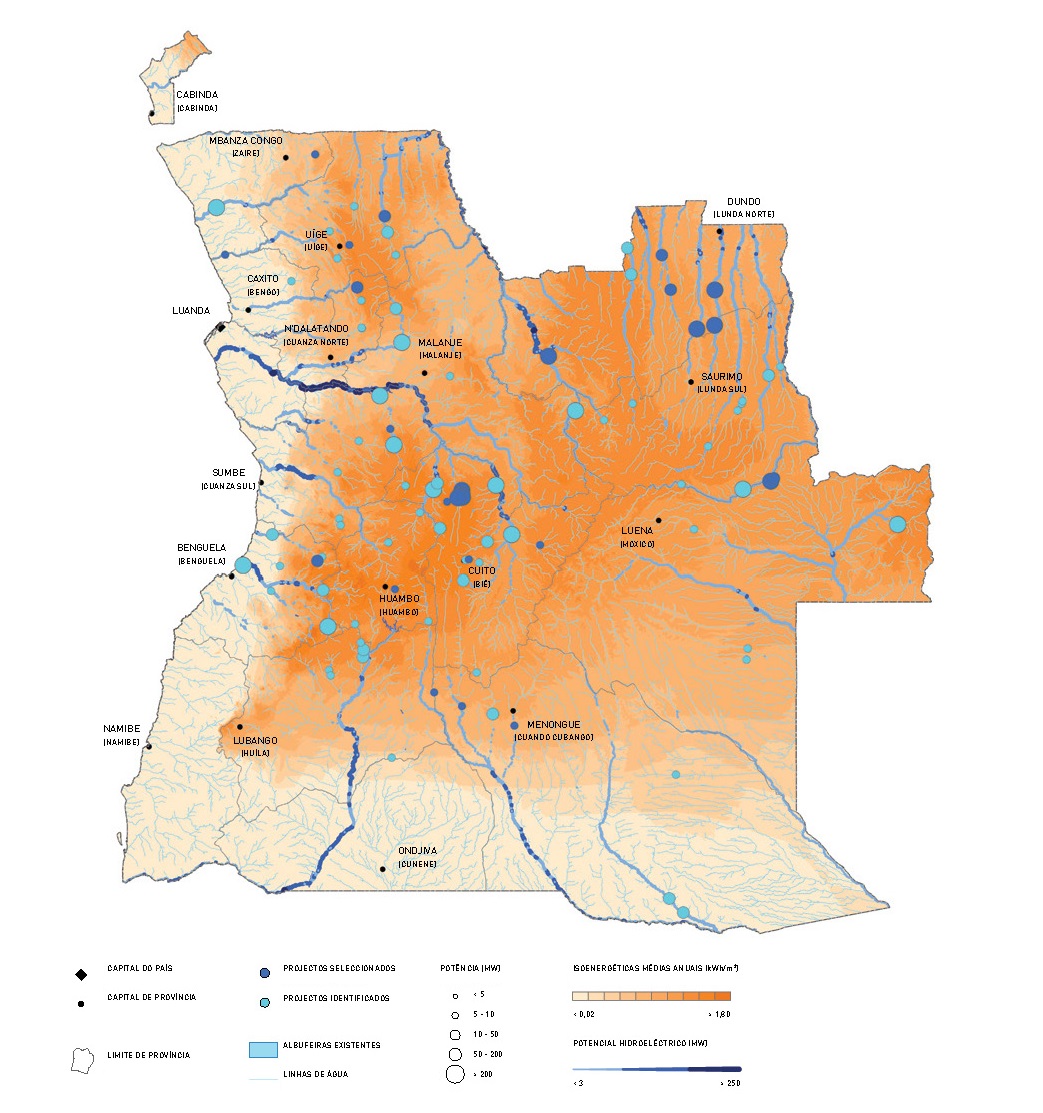
Furthermore, Angola is one of the greenest countries on the continent, with 68% of its installed energy capacity coming from hydro sources. This factor not only reduces the environmental footprint of agricultural and agro-industrial production, but also ensures potentially competitive energy costs for processing, preservation, cold storage and warehousing operations.
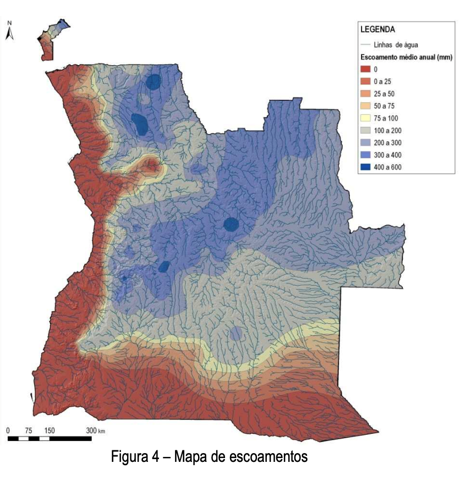
Angolan agriculture is further distinguished by the scale of its natural resources. The country has more than 34 million hectares of arable land, much of which remains underutilised, and has 7.5 million hectares of irrigable potential, offering exceptional margins for sustainable agricultural expansion. In addition, it has 77 river basins, guaranteeing water availability across the entire territory, including in the regions with the greatest productive vocation. This combination of resources allows for crop diversification, from cereals and oilseeds to export fruit farming and intensive horticulture, as well as the expansion of livestock and agroforestry systems.
For investors, Angola offers a fertile environment for large-scale agricultural projects, integrated value chains and agro-industrial platforms focused on domestic, regional and international supply. The combination of fertile land, water, clean energy and a unique geostrategic location transforms the country into an emerging destination for competitive, sustainable and forward-looking agricultural investment.